Nine Lines, Three Numbers, One Legacy: The Quiet Math Behind America's Favorite Reels

Photo: classic three reel slot machine casino floor close up, via c8.alamy.com
Walk down any casino aisle in Vegas, Atlantic City, or your local riverboat and you'll pass hundreds of machines without ever noticing the pattern. But it's there. Three reels. Six ways to win. Nine paylines. The 3-6-9 skeleton is baked into American slot design, and once you see it, you can't unsee it.
We're a little biased here at Joker369 — the numbers 3, 6, and 9 are kind of our thing — but the truth is these digits earned their reputation long before we put them in the domain name.
Where It Started: Three Reels and a Lever
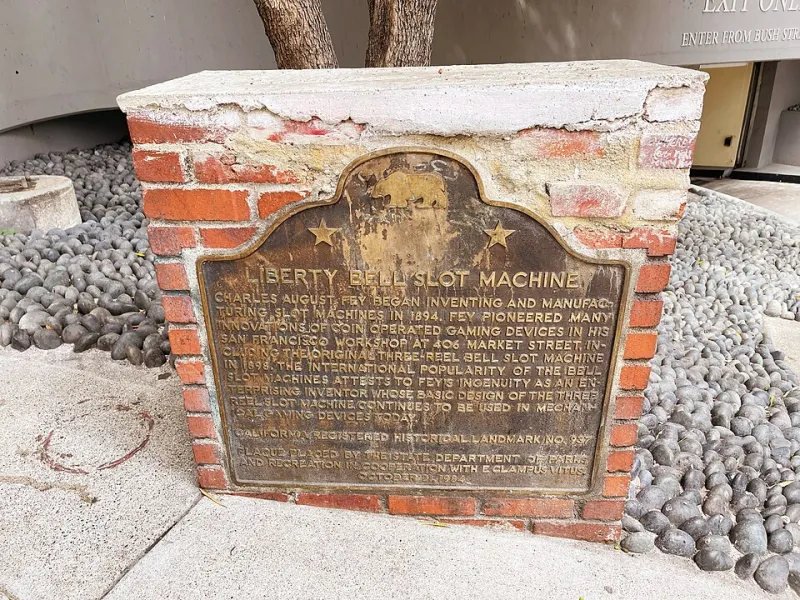
The original American slot machine was a study in threes. Charles Fey's Liberty Bell, built in San Francisco in the 1890s, used three spinning reels and a single payline. Three symbols matching meant a payout. Simple, readable, instantly addictive.
That three-reel format dominated for most of the 20th century. Bally's Money Honey in the 1960s added electromechanical guts, but the core stayed the same: three reels, one line, pull the handle. The number three wasn't just tradition — it was math. Three reels kept odds calculable and payouts believable. Players could see the near-miss on the third reel, and that visual tension is still the engine driving every spin today.
Six Ways the Middle Row Got Competition
For decades, one payline was the whole show. Then manufacturers started asking: what if the reels could pay in more than one direction?
Early multi-line machines experimented with adding a diagonal here, a V-shape there. Six paylines became a natural middle ground — enough extra action to feel generous, not so many lines that the math got muddy. A six-line game could pay left-to-right, right-to-left, and zigzag through the middle without needing a computer science degree to follow the action.
The lesson from that era still matters: more lines don't mean better odds, they mean spread odds. Your stake gets divided across every active line. Six ways to win also means six ways to win small.
Nine Lines: The Format That Stuck
Then came the nine-payer, and honestly, this is where classic slot design peaked. Nine paylines on a 3x3 reel grid is elegant: three horizontal rows, three diagonals, three V and inverted-V shapes. Every single position on the grid matters. Nothing is decorative.
Nine-line games exploded in popularity because they solved a psychological problem — the "I hit it but it wasn't on my line" frustration. With nine lines, almost every winning combination lands somewhere. Players felt engaged on every spin, even when the bankroll barely moved.
Walk a US casino floor today and you'll still find nine-line cabinets holding their own next to 243-ways megagames. There's a reason: you can read them. A new player can watch nine lines for three spins and understand exactly what's happening. Try explaining a cluster-pay, cascading-reel, ways-and-ways hybrid to a first-timer and watch their eyes glaze.
Spotting the Legacy on Modern Machines
The 3-6-9 DNA didn't disappear — it went incognito. Here's what to look for:
- Reel counts in multiples of three. Five-reel games dominate now, but the underlying grid math still leans on three-symbol rows.
- Line counts that hit the classic numbers. Nine, eighteen, twenty-seven — manufacturers kept tripling the original blueprint because players responded to it.
- The three-symbol win. Even in modern video slots, the standard minimum winning combination is three matching symbols. That's Liberty Bell math, a century later.
What This Means for Your Session
Knowing the format doesn't change the house edge — nothing does — but it changes how you choose a machine. If you want a session you can actually follow, a classic three-reel or nine-line game gives you full visibility into every outcome. If you want maximum sensory chaos, the modern video slots deliver it. Neither is smarter. But playing a game you understand is playing smart, and playing smart is how you stay in the game longer.
Next time you're on the floor, take thirty seconds before you sit down. Count the reels. Count the lines. If the machine whispers three, six, or nine at you — well, you might just be in the presence of slot history. And around here, we think that's a pretty good sign.