Loose Change at the Counter: How Convenience Stores Became the Neighborhood Casino Nobody Voted For
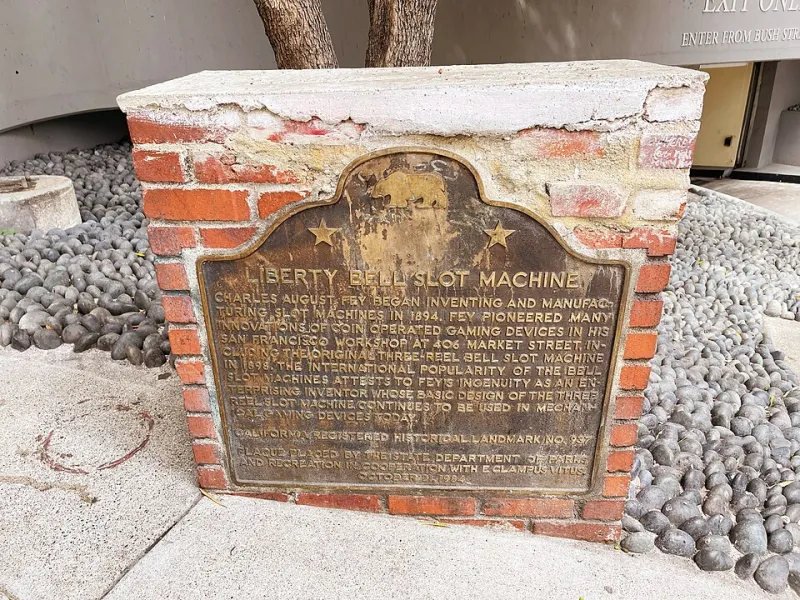
Photo: Missvain, CC BY 4.0, via Wikimedia Commons
You've seen it. You're grabbing a fountain soda and a scratch-off at the gas station, and there it is — a glowing cabinet in the corner, spinning reels, chirping sounds, somebody's grandma feeding it twenties like it owes her money.
Welcome to America's unofficial casino floor: the convenience store, truck stop, and corner bar circuit. No valet. No buffet. No comped drinks. Just a machine humming next to the energy drinks, taking in more action than most people realize.
The Gray-Market Machine Boom
Across the South and Midwest especially, so-called "gray machines" or "skill game" terminals have exploded. Operators install them in businesses for free, split the revenue with the owner, and — here's the kicker — often pay zero taxes and zero licensing fees to the state.
How do they get away with it? A legal loophole older than most of the players feeding the machines. Many states allow games of "skill" while banning games of "chance." So manufacturers bolt on a flimsy skill element — a puzzle round, a bonus pick, a trivia question — and suddenly the machine isn't a slot, it's a "amusement device with redemption features." Sure it is.
Kentucky, Virginia, Georgia, Pennsylvania, Ohio — the battlegrounds differ, but the pattern is the same. Some states have moved to regulate and tax them. Others have tried outright bans. A few just look the other way while the machines multiply like kudzu.
Where It's Legal, Semi-Legal, and Pure Wild West
Here's the rough landscape, and yes, this stuff changes fast — always check your state's current law:
- Fully regulated states like Pennsylvania and West Virginia treat these machines like real VGTs (video gaming terminals): licensed, taxed, tracked. If you play in these states, you're on a legitimate, audited machine.
- Gray-zone states like Kentucky and Georgia host thousands of machines operating in a legal fog, protected (for now) by court injunctions and legislative gridlock.
- Banned-but-everywhere states — you know who you are — where enforcement is a game of whack-a-mole.
The practical difference for players? In a regulated state, the machine has a posted payback percentage and oversight. In a gray-market state, that machine's math is whatever the manufacturer says it is. Nobody's checking.
Why Casual Players Keep Feeding Them
Convenience. That's the whole pitch. No road trip to a casino, no app downloads, no account setup. You're already there buying cigarettes and a Slim Jim. The machine is a two-minute temptation, not a destination.
Psychologists call this "impulse gambling," and it works differently than a planned casino trip. At a casino, you decide in advance to gamble. At the gas station, the machine decides for you — it's just sitting there, lights blinking, while you wait for your turkey sub.
The stakes are lower, sure. But the frequency is higher. A dollar here, five there, four times a week — that adds up faster than most people's mental math admits.
The Trojan Horse Question
Here's where honest editorializing kicks in: these machines are either harmless fun or a slow-drip problem generator, depending entirely on the player.
The case for harmless: low stakes, short sessions, most people walk away down two bucks and call it entertainment. That's cheaper than a movie ticket.
The case against: problem gambling researchers point out that easy access plus rapid play plus no oversight is the exact recipe that hooks vulnerable players. There's no self-exclusion list at the corner store. No responsible gaming signage. No staff trained to spot someone chasing losses. And in gray-market states, there's often no guarantee you'd even get paid a big win — good luck litigating that against an unlicensed operator.
If You're Going to Play Them Anyway
We're not your dad, but if you're going to drop change in these things, do it smart:
- Treat it as vending machine money. Whatever you insert, mentally delete. Anything you cash out is found money.
- Set a hard stop before you stand up. Not while you're playing — before. The machine's whole job is to blur that line.
- Know your state's rules. If the machines are unregulated where you live, understand that the payback percentage is a mystery and payouts above a certain size may be dicey.
- Prefer regulated over gray whenever possible. If your state has legal online casinos or licensed casinos, the math and the player protections are simply better there. Same reels, actual accountability.
- Watch the time, not just the money. These machines are designed for quick, repeat sessions. If you're on your fourth "one more spin" while your coffee's gone cold, that's your cue.
The Bottom Line
The corner-store casino isn't going anywhere. Legislatures will keep fighting over it, operators will keep exploiting the loophole, and machines will keep glowing next to the lottery tickets from Bangor to Bakersfield.
For the casual player, the smart move isn't abstinence — it's awareness. Know what kind of machine you're playing, know the rules in your state, and know the difference between a fun two-minute diversion and a habit that's quietly eating your gas money.
Play smart, win big, stay in the game. And maybe skip the machine next to the taquitos once in a while.