Where Your Scratch-Off Dollars Actually End Up: A State-by-State Follow the Money Guide
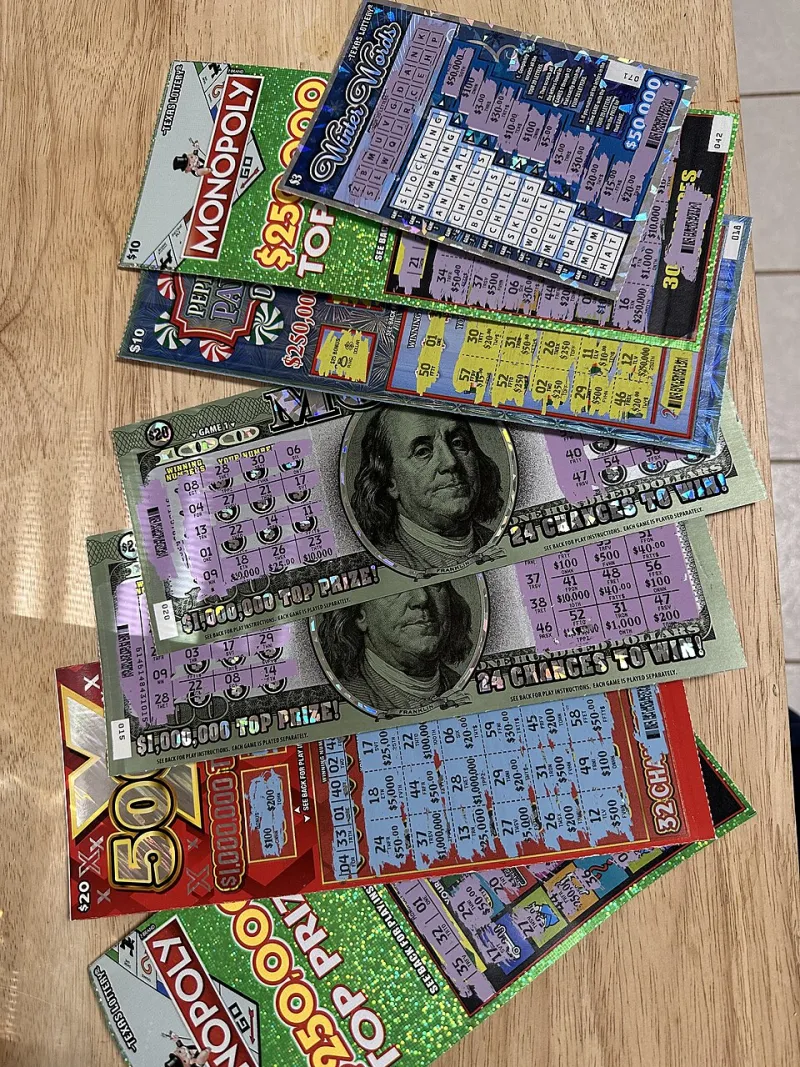
Photo: Jonathan Cutrer from San Angelo, Texas, United States, CC0, via Wikimedia Commons
You scratch, you lose, you shrug and toss the ticket. But before that card hit your hands, it was already part of something bigger — a multi-billion-dollar pipeline that runs from convenience store counters straight into state budgets across America.
Here at Joker369, we usually talk strategy, bankrolls, and bonus hunting. But every so often it's worth zooming out and asking a question most players never bother with: where does the money actually go?
The Short Answer: It Depends Entirely on Your Zip Code
There's no national lottery fund. Gambling revenue in the US is a patchwork quilt, and every state sews its own pattern. In some places, your losing scratch-off is effectively a voluntary tax for schools. In others, it props up property tax relief or senior services. And in a few, it disappears into the general fund with no specific destination at all.
The number most people get wrong: players assume the majority of every ticket goes to the cause. It doesn't. Typically, roughly 60-70% comes back out as prizes, another 5-10% covers retailer commissions and administration, and what's left — usually 20-30% — is the actual revenue the state keeps. That leftover slice is what funds the programs you hear advertised on the ticket itself.
The Big Buckets: Where State Gaming Money Lands
Nearly every state's gaming revenue falls into one of these buckets:
- Education. The headline use, and the most marketed. Georgia's HOPE Scholarship, funded heavily by the lottery, has sent over a million students to college. New York's lottery is one of the largest education contributors in the country.
- Senior programs. Pennsylvania and West Virginia route significant gaming dollars to older residents — things like property tax rebates, prescription assistance, and free transit.
- General fund. The least glamorous destination. The money goes into the state's big pot and gets spent like any other tax revenue.
- Problem gambling services and regulation. A small but important slice. A handful of states dedicate a fixed percentage to treatment programs and gaming commissions.
- Capital projects and infrastructure. Some states tie gaming revenue to specific construction funds, parks, or conservation efforts.
A Quick State-by-State Snapshot
We can't cover all 50 in one article, but here's a flavor of how differently states handle it:
- Georgia: Lottery proceeds fund the HOPE Scholarship and pre-K programs. Arguably the most visible education-lottery connection in the country.
- New York: Education aid, full stop. Lottery revenue is baked into school funding formulas.
- Pennsylvania: Casino and lottery revenue largely supports older adults through the Property Tax/Rent Rebate program and senior services.
- Ohio: Lottery profits are constitutionally dedicated to education, though critics note the state sometimes offsets other school funding accordingly.
- California: A portion of lottery sales goes to public education, with supplemental funds for instructional materials.
- Texas: The first $1 billion-ish in lottery revenue goes to public education; the rest hits the general fund.
- Florida: Education, including the Bright Futures scholarship program.
- Nevada: The one big exception — no state lottery at all, thanks to a decades-old constitutional ban casinos lobbied for. Gaming taxes there flow through the general fund.
The pattern to notice: education is the workhorse, seniors are the quiet beneficiary, and transparency varies wildly. Some states publish detailed revenue reports; others make you dig through budget appendices.
The Fine Print Nobody Puts on the Ticket
Here's the honest caveat. In several states, lottery money for schools doesn't actually increase education spending — it replaces dollars the legislature would have spent anyway, freeing up general funds for other priorities. Economists call this fungibility. Critics call it a shell game. Either way, "a portion goes to education" and "education gets more money" are not always the same sentence.
There's also the regressive angle worth acknowledging: lottery play skews toward lower-income households, meaning the people funding these programs are often the ones least able to afford it. That's a real policy debate, and pretending otherwise would be doing you a disservice.
Why This Matters to the Everyday Player
Look, nobody's claiming your $5 ticket is civic heroism. But knowing the money trail changes how you think about play in three useful ways:
- It reframes the spend. If you're going to play anyway, your state has decided where that entertainment dollar lands. Knowing the destination makes the spend feel like a choice, not a leak.
- It sharpens your value radar. Once you understand that states keep 20-30% of lottery sales, casino-style games with published RTPs — often 94-96% — start looking like the mathematically friendlier option for the same entertainment budget.
- It makes you a savvier voter. Gaming expansion questions show up on ballots constantly. Knowing how your state currently uses gaming revenue is the baseline for evaluating any new proposal.
The Play Smart Takeaway
Every spin and every scratch sends a dollar somewhere. In most of the country, that somewhere is a state program with a real budget line. It doesn't change the odds, and it doesn't make a losing ticket a donation — but it does mean the money rarely vanishes into thin air.
Play smart, know where your money goes, and stay in the game on your own terms. That's the whole philosophy here at Joker369 — whether the payout is a jackpot or a better-funded school down the street.
Want to dig into your own state's numbers? Most lottery commissions publish annual revenue reports — search "[your state] lottery where the money goes" and see what turns up. You might be surprised.