Lights Out on the Casino Floor: What Happens When a Slot Gets Pulled Mid-Spin

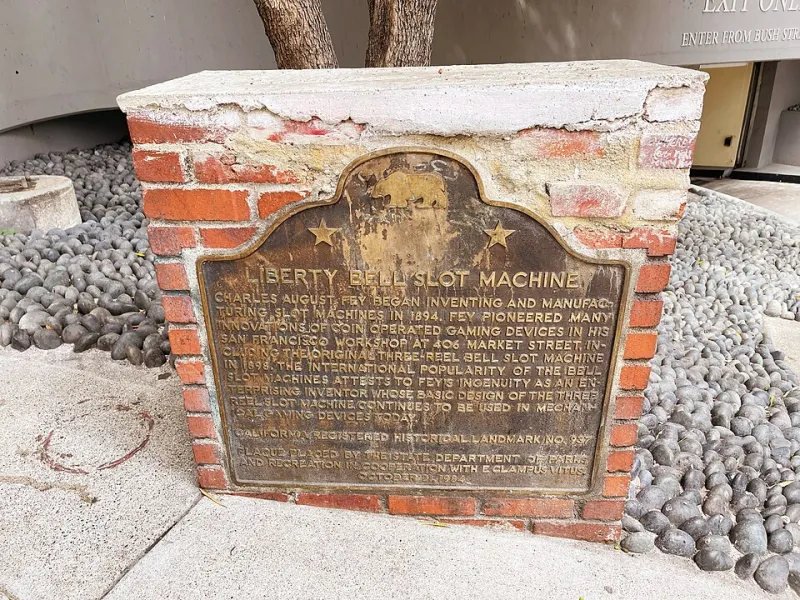
Photo: InSapphoWeTrust from Los Angeles, California, USA, CC BY-SA 2.0, via Wikimedia Commons
You logged in Tuesday night, and your go-to slot was right there in the lobby, same jingle, same bonus wheel. By Friday, it's gone. No farewell message, no countdown timer, nothing. The game didn't move to a different tab — it got delisted, and you weren't notified.
This happens more often than most US players realize. Online slots aren't permanent fixtures like the cabinets bolted to a Vegas floor. They're licensed software with expiration dates, and when the clock runs out, the casino flips the switch. If you play smart, you can spot the end coming before it costs you money.
The Quiet Exit: How Games Get Retired
Slots leave lobbies for a handful of reasons, and almost none of them are dramatic. The most common is a licensing agreement hitting its term. Game studios — think of the big developers supplying legal US online casinos in states like New Jersey, Michigan, and Pennsylvania — sign contracts with operators for fixed periods, often one to three years. When the deal lapses, either side can walk.
Sometimes the studio itself retires a title. Older games with dated graphics or clunky math models get replaced by sequels or re-releases with fresher mechanics. Occasionally a regulator requests changes, or a game underperforms and the operator quietly clears the shelf space. It's retail logic: low-turnover product gets pulled, even if a small group of loyal players loved it.
The key thing to understand is that none of this is announced. There's no "last week to play" banner. The game just evaporates from the lobby, usually overnight, usually without comment.
So What Happens to Your Money?
Here's the part that matters most. When a slot is delisted, your cash balance is never trapped — that's the good news. Real money in your account belongs to you regardless of which games disappear. US-regulated operators are required to keep your funds accessible no matter what happens to any single title.
The messier situations involve in-game value:
-
Unfinished bonus rounds. If you triggered a free spins feature and the game vanishes before you complete it, reputable operators credit the equivalent value back to your balance or let you finish the round when the game temporarily reappears in maintenance mode. Less reputable operations may simply void it. This is why finishing an active bonus round before closing a session matters.
-
Progressive jackpot eligibility. Contributing to a progressive pot doesn't buy you a claim. If the game is delisted, the accumulated pot typically transfers to the replacement title or gets redistributed per the operator's terms. Your past contributions don't follow you.
-
Wagering requirements. If you're clearing a bonus and the qualifying slots get pulled mid-wager, you may be stuck completing playthrough on a different game list. Always check whether a promotion names specific titles.
The Warning Signs of a Dying Game
You can't stop a delisting, but you can see it coming. Watch for these tells:
-
The game disappears from promo pages. Studios feature their new releases and their evergreen earners. When a slot vanishes from banners, newsletters, and bonus-eligible game lists, it's drifting toward the back of the shelf.
-
RTP shifts. Some titles ship with multiple RTP configurations, and operators can adjust them within regulatory limits. If a published RTP figure quietly drops — compare the game's info screen against the studio's original spec sheet — that's often a sign the operator is milking the final stretch of the license rather than investing in it.
-
Sequel announcements. When a developer hypes "Slot X 2: Electric Boogaloo," the original is usually living on borrowed time. Studios phase out old versions to push traffic to new ones.
-
Missing from the app or geolocation checks. If a game loads on desktop but errors out on mobile, or vanishes after a platform update, the operator may already be unwinding it from some clients.
Your Game Lifecycle Checklist
Run through this before committing serious playtime to any title:
- Screenshot the RTP from the game's info screen the first time you play. If it changes later, you'll have proof.
- Check the studio's catalog. Games more than three or four years old with no recent updates are candidates for retirement.
- Read the promo fine print. Bonuses that name specific slots tell you which games the operator is actively supporting.
- Finish what you trigger. Never walk away mid-bonus-round assuming it'll be there tomorrow.
- Don't chase a farewell. A slot you love disappearing is not a reason to overspend your session bankroll on its last night. The math doesn't care about sentiment.
Play the Lobby, Not Just the Game
The players who last in this hobby treat game selection like portfolio management. Favorites come and go — the skill is in noticing the drift early, banking wins while the game is still live, and never letting a delisting ambush an active bonus or a half-cleared wager.
Your bankroll survives every shutdown. Your habits decide whether it grows. Keep both eyes on the lobby, and the ghost town won't catch you by surprise.