Three Six Repeat: The Number Pattern Hiding in Plain Sight on Every Casino Floor

Photo: Tristan Surtel, CC BY-SA 4.0, via Wikimedia Commons
Walk into any casino in America — Vegas, Atlantic City, a riverboat in Iowa — and you're surrounded by numbers. Bet sizes, paylines, reel counts, comp points, table minimums. Most of us tune it all out. But if you start paying attention, one sequence keeps popping up again and again: three, six, nine.
We're not claiming the casinos built everything around our domain name. It's more interesting than that. The 3-6-9 pattern shows up because of how the industry actually does its math — and once you see it, you can't unsee it.
Start With the Reels Themselves
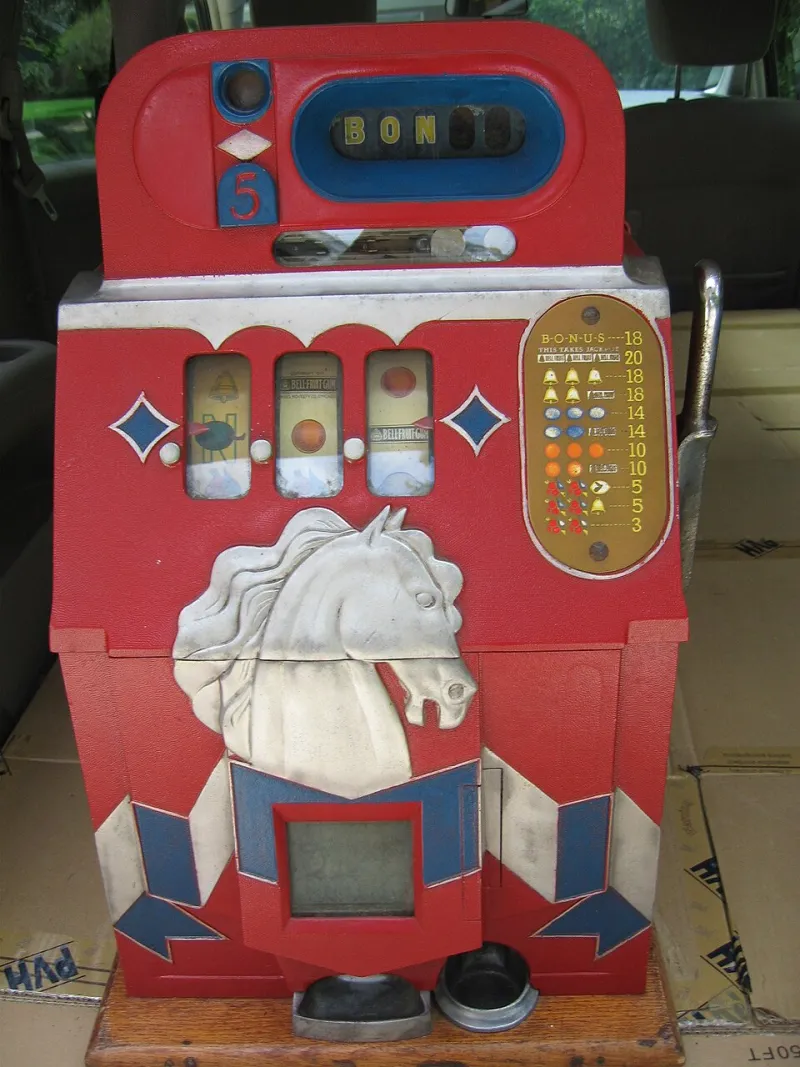
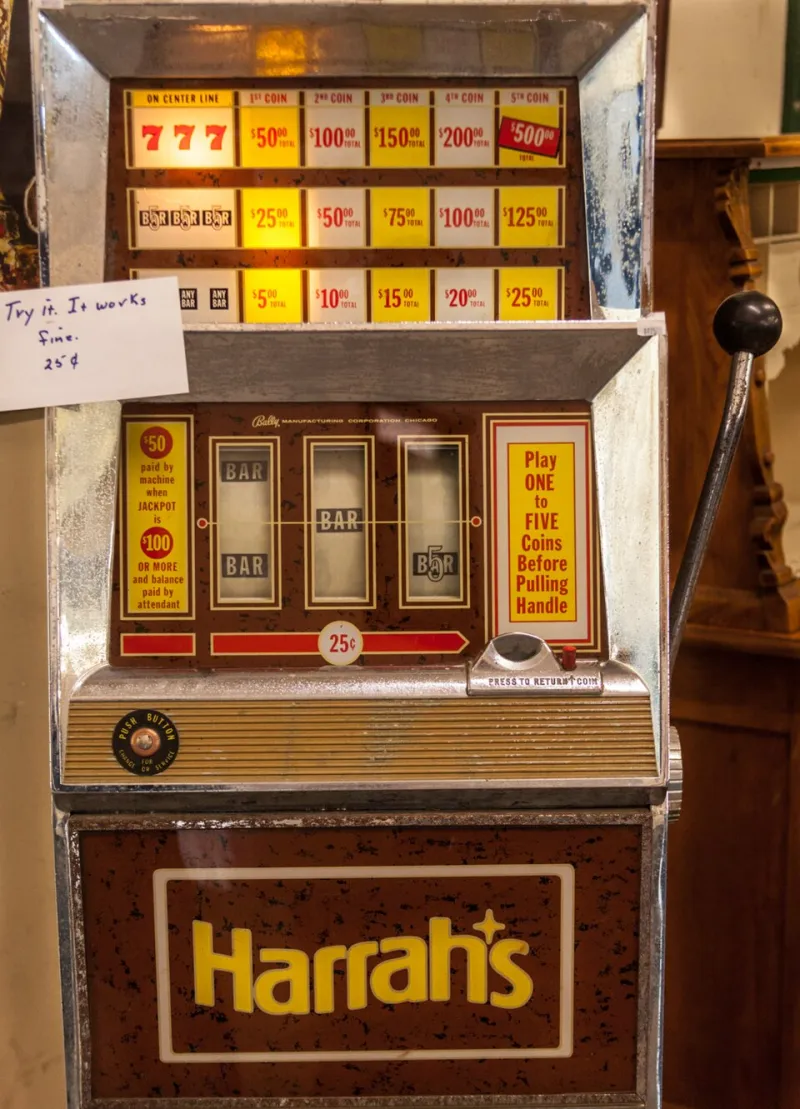
The classic slot setup is three reels. That's not nostalgia by accident — it's the format that survived a century of floor testing because three is enough to build suspense without dragging out the spin. Add the modern five-reel era and you get grids built on threes: three rows visible, symbols stacked in threes, bonus rounds that trigger on the third scatter.
Six and nine show up in the payline math. Older video slots commonly ran 9, 15, or 20 lines. Nine-line games in particular became a workhorse format on American floors — enough ways to win to keep things lively, few enough to keep the math legible. Next time you're browsing a lobby online, check the payline counts. Nines everywhere.
Table Limits Love Multiples of Three
Grab a seat at any blackjack pit in Reno or Biloxi and look at the placard: $3 minimums on the slower weekday tables, $6 on mid-tier pits, $9 in the high-limit room at some smaller properties. More commonly you'll see $5, $10, $25 — but cruise enough floors and the 3-6-9 ladder appears constantly, especially at regional casinos trying to differentiate their pit pricing.
Roulette offers a cleaner example. The layout itself is built on threes: three columns of twelve, three dozens, and the inside bets that cluster in threes across the felt. The street bet — three numbers in a row — pays 11 to 1, and it's one of the most overlooked wagers on the table.
The Hotel Tower Knows Too
Ever notice how casino hotels skip the 13th floor but lean hard on their towers elsewhere? Property designers talk about "rhythm floors" — amenity levels placed at regular intervals so guests pass a bar, a pool deck, or a lounge every few stories. In a 39-floor tower, you'll often find the good stuff clustered on floors divisible by three or six, simply because that's how the hospitality architects spaced the venues during planning.
Is that a conspiracy? No. Is it a pattern worth noticing while you wait for the elevator? Absolutely.
The Numerology Angle (Take It With a Shot of Keno)
Nikola Tesla allegedly obsessed over the numbers 3, 6, and 9, calling them a key to understanding the universe. Whether or not he said it exactly that way, the idea stuck, and numerology circles have run with it for decades. Digital-root math gives the sequence its magic trick: multiply 3 by any number and reduce the digits, and you cycle through 3, 6, and 9 forever.
3 x 4 = 12 → 1 + 2 = 3 3 x 5 = 15 → 1 + 5 = 6 3 x 6 = 18 → 1 + 8 = 9
Casinos don't need mysticism to justify their layouts — they have actuaries. But the sequence's mathematical self-repetition mirrors how casino math actually works: house edges that repeat predictably across thousands of spins, payout tables built on clean multiples, jackpots that scale in tidy increments.
How to Use This on Your Next Session
Here's the practical part. Spotting patterns is fun; using them to play smarter is better.
- Set your session budget in multiples of your base bet times nine. If you're spinning 40-cent bets, a $36 session bankroll gives you roughly 90 spins — a real sample size instead of a coin-flip evening.
- Check the payline count before you sit down. Nine-line classics tend to hit smaller, more often. That's a legit style choice, not a superstition.
- Use the three-spin check. Any new game, three spins at minimum bet before you decide whether the volatility suits your mood. It won't tell you the RTP, but it tells you the personality.
Patterns Are for Enjoyment, Not Prediction
One honest caveat before you start seeing 3-6-9 in your dreams: none of this changes the odds. The RNG doesn't care about numerology, and no sequence of numbers has ever bent a payback percentage. What this lens does is make you a more observant player — someone who reads the paytable, checks the limits, and understands the architecture of the game instead of just mashing the spin button.
And honestly? That's half the fun. Casinos are engineered environments, and learning to read the engineering — even through a playful pattern like ours — puts you a step ahead of the player who thinks the third reel is "due."
Play smart, win big, stay in the game. Preferably in threes.