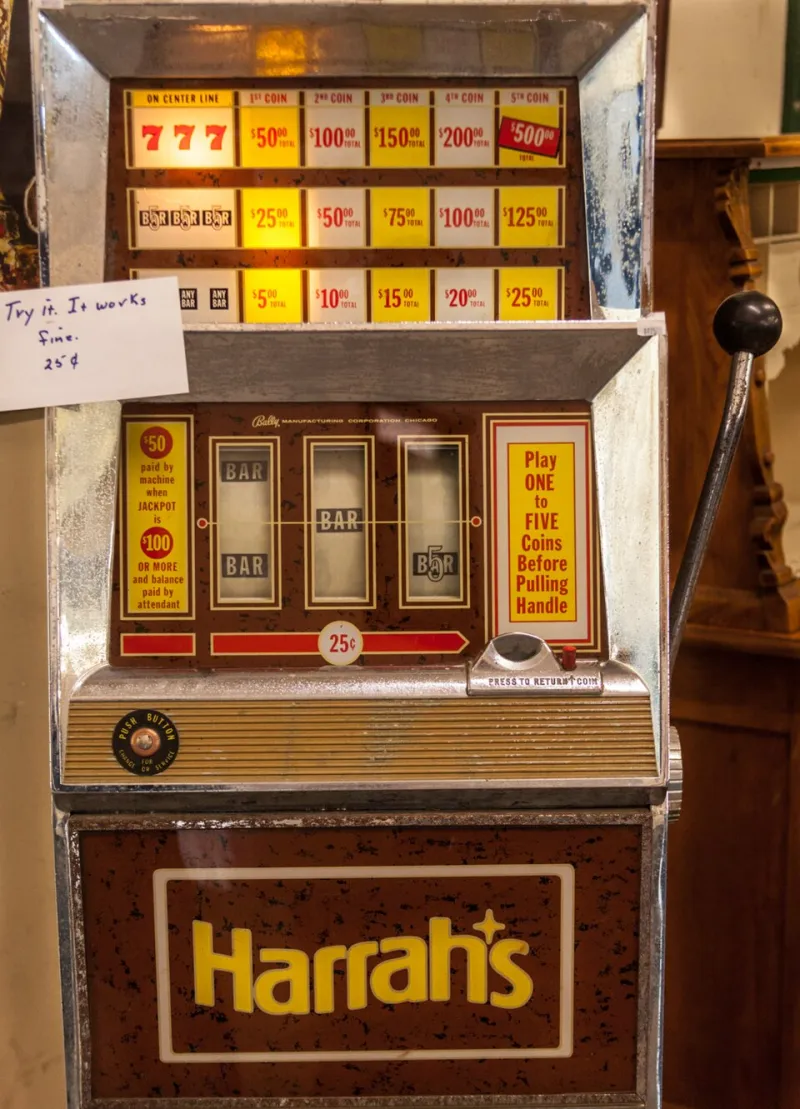
Every Third Spin: The Psychology Trick That Makes You Believe in Streaks
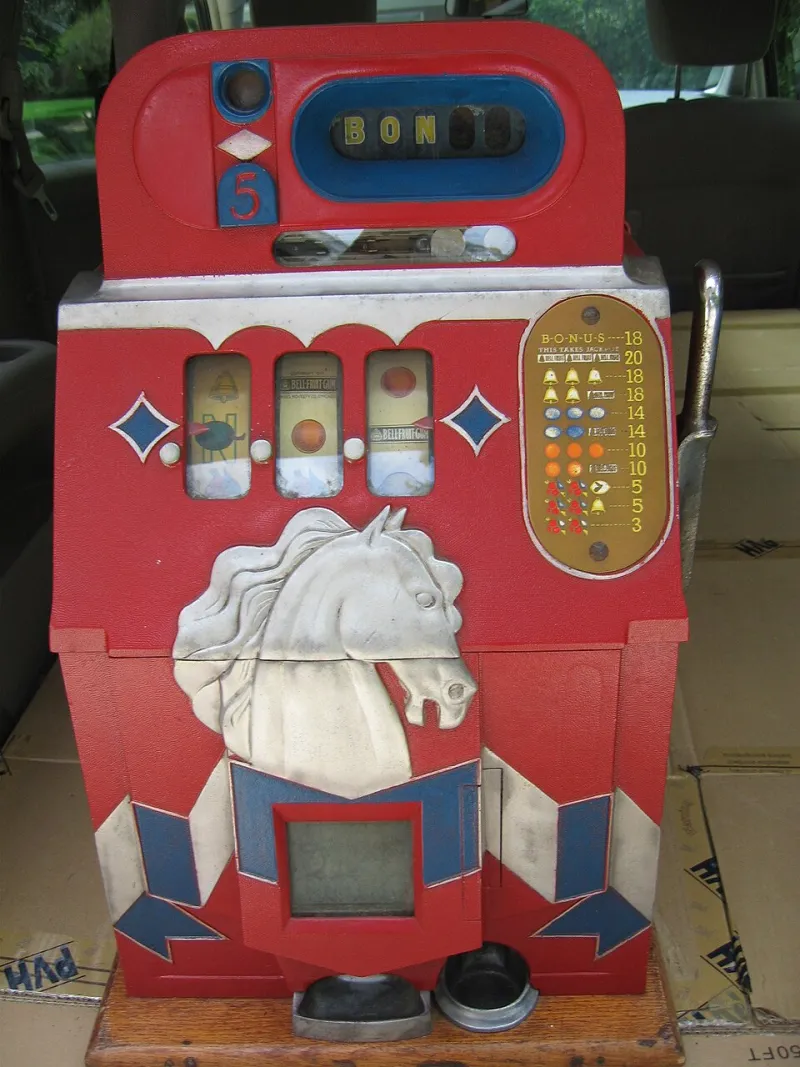
Photo: Gameroom Show, https://www.gameroomshow.com/faq/#Copyright, CC BY-SA 4.0, via Wikimedia Commons
Around here, the numbers 3, 6, and 9 aren't just a brand — they're a running joke among our readers, half of whom swear their third spin after a session starts is 'always the interesting one.' It isn't. But it feels like it is, and that feeling is worth understanding.
The Pattern Machine Between Your Ears
Human brains evolved to find patterns. Spotting that berries near the river were safe, or that a rustle in the grass meant a predator, kept our ancestors alive. That same hardware runs in the background when you're watching reels spin in a Michigan casino bar or on your phone in an Ohio living room.
The problem: slot outcomes are independent events. The machine doesn't know you lost twice. It doesn't know it's the third spin. Random number generators churn out results thousands of times per second whether you press the button or not.
Yet research on gambling behavior keeps finding the same thing — players treat streaks as meaningful even when they explicitly know better. Dr. informally put it to us this way at a Las Vegas gaming conference last spring: 'People can define the gambler's fallacy perfectly and still fall for it in the moment. Knowing the bias doesn't turn it off.'
Three Biases Walking Into a Casino
The gambler's fallacy whispers that a loss is 'due' to correct itself. Five misses in a row means a win is coming, right? Wrong — the odds reset every single spin.
Hot-hand thinking is the flip side. After two small wins, you feel warm, like the machine has picked your lane. Basketball fans fall for the same illusion with free throws.
Near-miss design ties them together. When two jackpot symbols line up and the third lands one notch off, your brain processes it almost like a win — dopamine and all. Game designers know this. It's not a conspiracy; it's published research the industry has read carefully.
Stack all three together and every third spin becomes a story your brain tells itself: I lost two, so the third one matters.
What Real Players Told Us
We asked the Joker369 community about their 'counting spins' habits. A retired teacher from Tucson admitted she taps the spin button in groups of three — 'it's a ritual, I know it doesn't change anything, but it makes the session feel organized.' A delivery driver from Pittsburgh said he switches machines after three losses, then joked, 'Which is probably how the casino gets me to walk past twenty more machines.'
Both nailed something important: the ritual itself isn't the danger. The danger is when the ritual turns into a reason to bet more — chasing that third spin because it 'owes' you.
Reframes That Actually Work
You don't have to out-think your brain. You just have to out-structure it.
- Rebrand the count. If counting to three keeps your hands busy, use it as a checkpoint instead of a prophecy. Every third spin, ask: am I still having fun, or am I chasing?
- Set the exit before the emotion. Decide your session limit before the first spin. A number written down at 7 p.m. beats a decision made at 9:30 p.m. with a pattern humming in your head.
- Name the near-miss. When two bonus symbols land and the third teasingly misses, literally say to yourself: 'That was designed to feel like something.' Naming it shrinks it.
- Treat every spin as spin one. It's cliché because it's true. The machine has no memory. Neither should your expectations.
Stay in the Game — That's the Whole Point
The 3-6-9 spirit isn't about magic numbers. It's about rhythm: play smart, keep it fun, and never let a streak — real or imagined — talk you into a session you didn't plan. The third spin feels special because you're a pattern-finding human, not because the reels are keeping score.
Let the machine do the random. You do the discipline. That's how casual players win big over the long haul — by staying in the game on their own terms.
Play smart, and if counting spins stops being a quirk and starts being a compulsion, take a break. Help is available at 1-800-GAMBLER.