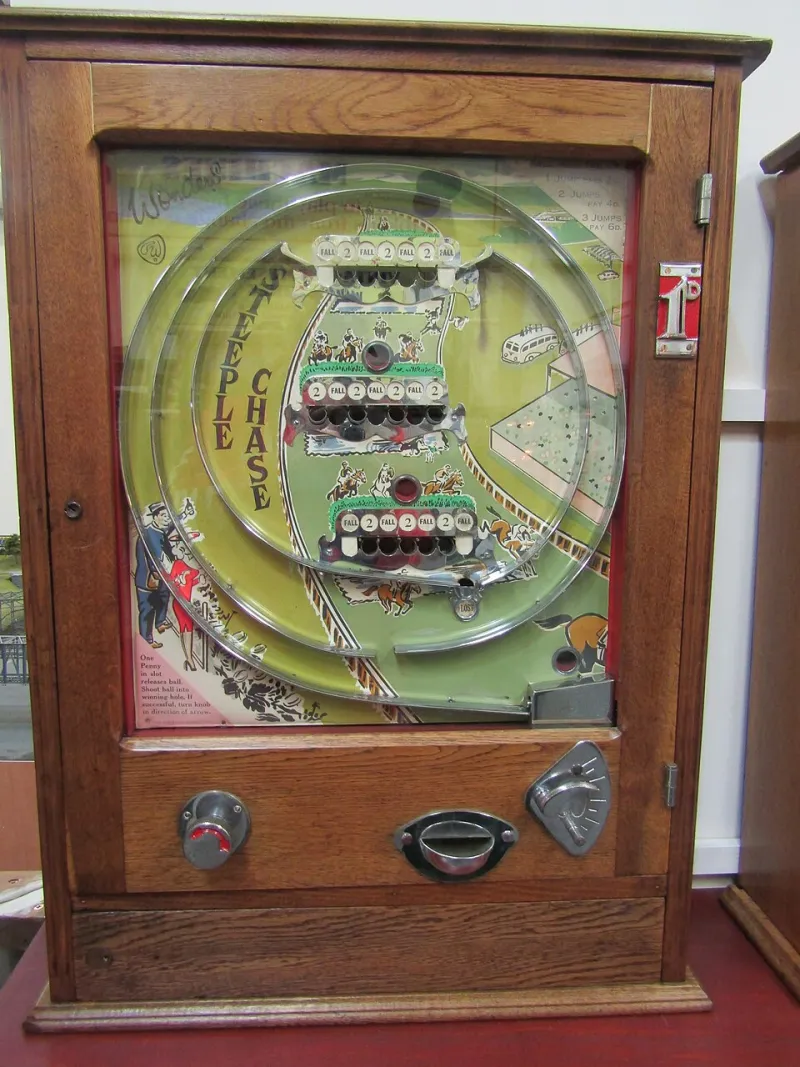
Wild Cards With Real Teeth: How to Tell a Paying Joker From a Prop Joker
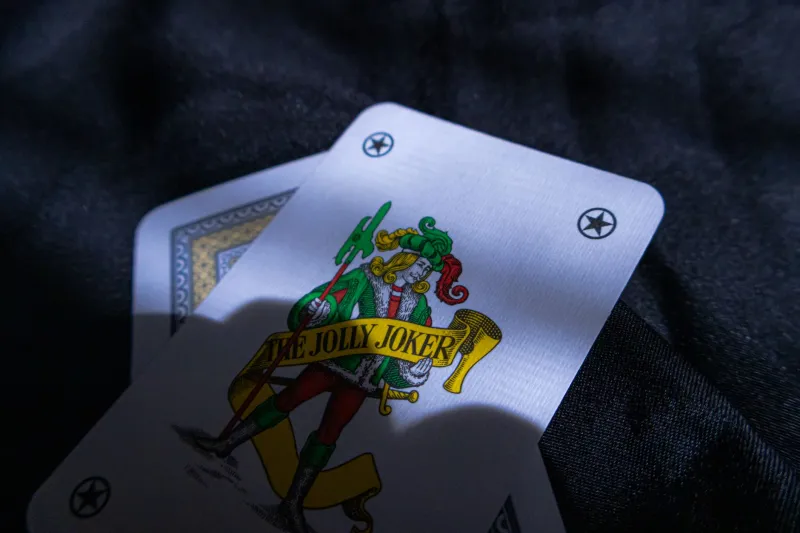
Walk through any casino from Reno to Atlantic City and count the grinning faces. Jokers, jesters, court clowns — the trickster is the hardest-working mascot in American gambling, and has been since the Joker's Wild cabinets of the late '70s started blinking at players from the back rows. But here's the thing nobody tells you: not every joker on a slot screen is actually there to help you.
Some jokers substitute, stack, multiply, and take over whole reels. Others just sit there looking festive while your balance quietly walks out the door. So at Joker369, we built a simple system for telling the difference. Call it the Joker Meter. Five questions, scored 0 to 2, and by the end you'll know whether you're sitting at a game where the wild card has teeth — or one where you're the punchline.
The Joker Meter: Five Questions Before You Sit Down
Score each question 0 (nope), 1 (sort of), or 2 (absolutely). Ten is a joker worth following. Zero is a joker worth walking past.
1. Does the joker substitute for more than one symbol? A basic wild that only fills in for cherries and bars is a prop joker. The best joker games — the modern jester titles you'll find on most US online casino apps — substitute for everything except the scatter and bonus symbols, and they do it on every spin, not just during features.
2. Does the joker do something extra when it lands? Expanding jokers. Stacking jokers. Jokers that carry a 2x or 3x multiplier baked in. This is where the wild card earns its keep. If the joker's only job is filling a gap, that's a one-point answer at best. If it transforms the spin — nudging, expanding, multiplying — that's two.
3. Can the joker appear on every reel, every spin? Plenty of games lock the joker to reels two through five, or worse, only release it during a bonus round you might trigger twice an hour. A joker that shows up anywhere, anytime, gets full marks. A joker on a leash gets one. A joker hiding behind a paywall of triggers gets zero.
4. Does the game pay you for jokers alone? The old-school Joker's Wild machines did — a screen full of grinning wilds was the jackpot, plain and simple. A lot of modern titles dropped this, making the joker a supporting actor that never gets top billing. If five jokers on a payline pays like five top symbols, that's a two. If the paytable doesn't even list a joker line, that's a zero and a red flag.
5. Is the joker's power consistent or conditional? Some games make the joker mighty — but only during free spins, only when the jester is stacked, only on a re-spin you have to buy. Conditional power isn't fake power, but it changes the math. Consistent jokers get the two.
Reading Your Score Like a Card Counter
Add it up. 8 to 10: this joker runs the show. These are the games where a single wild landing genuinely changes your session — expect higher volatility, and budget for it, but the wild card has real teeth.
5 to 7: a working joker, not a star. Solid substitution, occasional fireworks. These are your session games — the ones where a twenty can last a couple of hours if you're betting sensibly.
0 to 4: the joker is decoration. The game is wearing a costume, and the costume is the product. There's nothing wrong with playing these if you like the theme, but go in knowing the grinning guy on reel three is not on your side.
Are You the Joker or the Joke?
Here's the part we keep coming back to at Joker369, because it's the whole brand in one question. Every slot session has two possible endings: you played smart and the trickster worked for you, or the trickster worked you. The difference usually isn't luck — it's whether you asked these five questions before your money hit the machine.
The player who checks the paytable, spots a prop joker, and adjusts their bet size accordingly? That's the joker. The player who sees a smiling wild, assumes it's hot, and triples their stake chasing it? That's the joke, and the house has heard it a thousand times.
So next time a jester-themed cabinet winks at you from the floor — or a joker slot loads up on your phone during a lunch break — run the meter first. Sixty seconds of homework, five quick questions, one honest score. Play smart, win big, stay in the game. And if the joker on your screen can't pass the test, do what any good trickster would do: walk away and find a better mark.