One Icon, Infinite Chaos: The Joker's Wild Story Behind Every Slot You Play
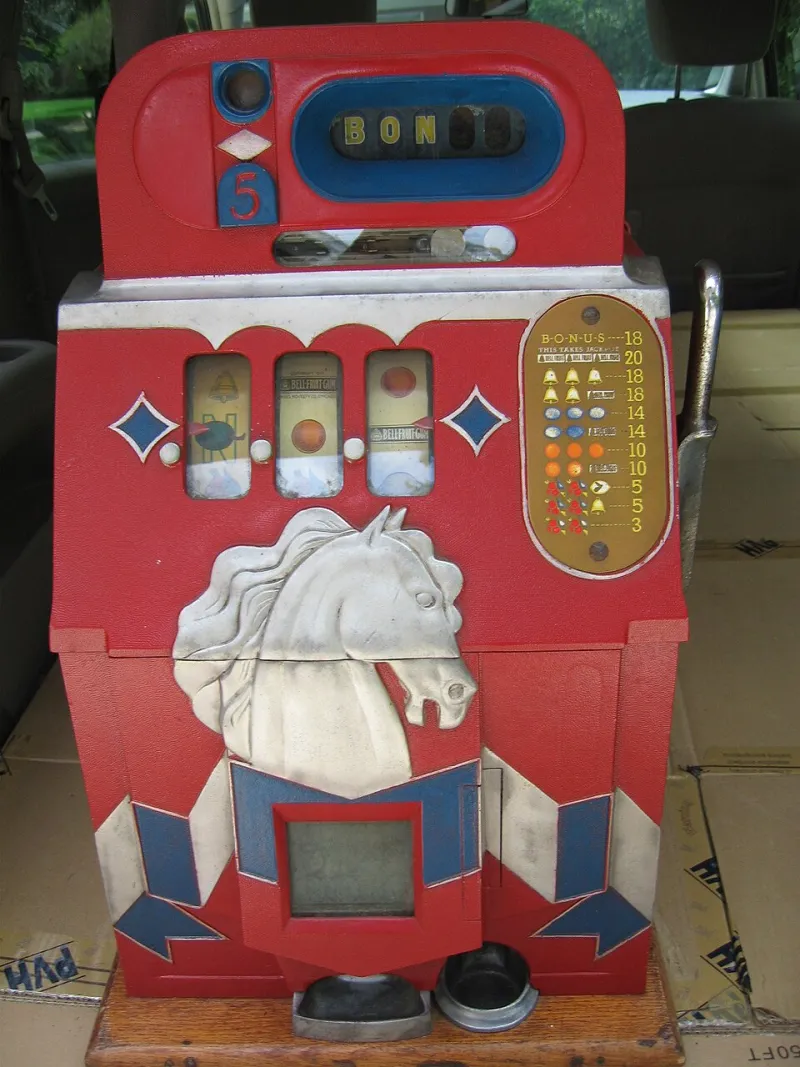
Photo: Gameroom Show, https://www.gameroomshow.com/faq/#Copyright, CC BY-SA 4.0, via Wikimedia Commons
Every slot player has a moment they remember. For a lot of us, it's the first time a screen full of jokers landed at once and the balance jumped in a way that felt almost unfair. That's the wild symbol doing its job — and behind that little icon is nearly a century of game design evolution.
At Joker369, we'd argue the wild is the single most important symbol in the history of slots. Not the jackpot. Not the free spins. The wild. Here's why, and how understanding it can make you a smarter player.
From Card Tables to Reels
Wilds didn't start in slots. They started at the poker table, where the joker card could stand in for anything you needed. Early mechanical slot makers borrowed the idea in the mid-20th century, printing a joker or a simple "WILD" on a reel strip that would substitute for other symbols and complete paying lines.
It sounds basic now, but the math was revolutionary. A substitution symbol dramatically increases hit frequency without touching the paytable. Players got more wins, machines got more action, and an industry template was born.
The Modern Wild Family Tree
Today's wilds come in more flavors than a Vegas buffet, and each type changes how a game actually plays:
- Standard wilds — straight substitutes. Clean, predictable, low drama.
- Expanding wilds — land one and it stretches to fill the reel. Games like Starburst built entire reputations on this mechanic.
- Sticky wilds — these hang around for multiple spins, usually during bonus rounds. They create the "one more spin" tension that defines modern sessions.
- Multiplier wilds — any win they touch gets boosted, sometimes stacking with other wild multipliers for eye-watering results.
- Walking and shifting wilds — they move across the reels spin after spin, keeping the base game alive between features.
What Wilds Do to RTP and Volatility
Here's the part most players skip: wilds don't just add fun — they reshape a game's math profile.
A slot loaded with frequent, small wild features tends to be lower volatility. You'll see wins hit more often, but the ceiling is limited. Think of it as a steady drip.
A game where wilds only appear in force during a rare bonus round — sticky wilds, stacked multipliers, the whole fireworks show — is almost always high volatility. Long dry spells, then the occasional session-defining hit. Neither approach is better. They're just different temperaments.
The practical takeaway: before you play a new game, check the paytable's wild section. If the wild only shows up during free spins, brace for a bumpier ride. If wilds land regularly in the base game, expect a smoother, longer session on the same bankroll.
Choosing Games by Wild Behavior
Play smart, win big, stay in the game — and the "play smart" part starts here. Match the wild mechanic to your session goals:
- Short session, entertainment budget? Look for expanding or random wilds in the base game. Constant little moments keep it fun.
- Chasing a big hit with patience? Sticky wild bonus rounds and multiplier wilds are where the ceiling lives. Size your bets accordingly and expect variance.
- Grinding a bonus requirement? Frequent standard wilds smooth out your balance swings and keep you in the game longer.
The Joker's Legacy
There's a reason we named the site what we did. The joker — the original wild — represents the one thing every slot player needs: flexibility. The wild adapts to whatever the reels need. Smart players do the same, adjusting bets, games, and expectations based on how the math actually works.
Next time a joker lands and stretches across the screen, take a second to appreciate it. That's a hundred years of game design, paying you a visit.