Six Minutes In: The Minute-by-Minute Reality Check Every Slot Session Needs
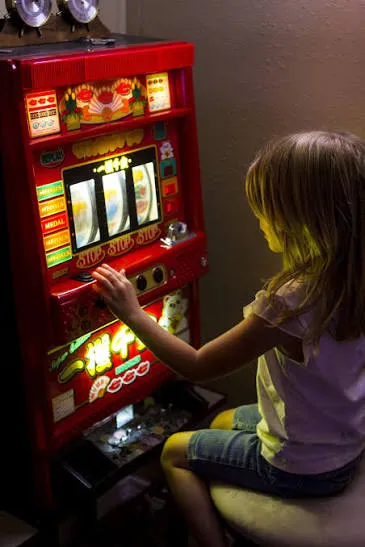
Photo: Holly Chaffin, CC0, via Wikimedia Commons
Every slot player knows the feeling. You sit down, load up a game that looked great in the lobby thumbnail, drop your first spins, and twenty minutes later you're wondering where half your session budget went.
Here's the uncomfortable truth: the most expensive minutes of your session are usually the first six. That's when volatility shows its hand, when hit frequency either matches the hype or doesn't, and when most players make their single worst decision — doubling down on a bet size they never actually planned.
So let's slow things down. Play smart, win big, stay in the game — that starts with treating your opening minutes like reconnaissance, not a sprint.
Minute One: Read the Paytable Before You Spin
Yeah, we know. Nobody wants to read the paytable. But this is the one minute that pays for itself.
You're looking for three numbers: the max win (usually expressed as a multiple of your bet), whether the game has a buy-a-bonus feature, and the RTP listed in the info screens. A 15,000x max win tells you this is a high-volatility beast. A 2,500x ceiling with frequent small features suggests something gentler.
If the game offers a bonus buy at 80x or 100x your bet, note it now — and make a rule about it before you're emotionally invested. Bonus buys are the fastest bankroll erasers in modern slots, and deciding your stance in minute one beats deciding it mid-tilt.
Minute Two: Set Your Probe Bets
Start at the low end of your comfort range. If you'd normally play $1.00 a spin, open at $0.40 or $0.50.
This isn't cowardice — it's data collection at a discount. You're buying information about how this specific game behaves with your money, and you want that information at the cheapest possible price. Think of it like test-driving a car instead of buying it off the lot blind.
Set a mental marker: roughly 30 to 40 spins at probe level. That's your observation window.
Minute Three: Track the Hit Frequency
Now the real work starts. Count, loosely, how often you're getting any return at all — even a 0.2x scatter-of-coins win counts.
A game that pays something on 1 in every 3 or 4 spins has a high hit frequency. It'll feel busy, chatty, alive. A game that goes 10, 12, 15 spins dead silent between wins is playing a different sport entirely. Neither is wrong, but they demand different bankrolls. A quiet game at a bet size meant for a chatty game is the classic recipe for a dead session by minute fifteen.
Minute Four: Watch the Bonus Teases
Here's where you learn a game's personality. Notice how the scatter symbols behave.
Does this game regularly land two scatters and leave you hanging? Does it tease features with near-miss animations? Games that tease constantly but rarely deliver are psychologically engineered to keep you chasing — and knowing that pattern exists is half the defense against it.
Also pay attention to whether small features trigger naturally. If a game's base game is a desert and the only action lives behind a bonus buy button, you've learned something crucial about its true cost of play.
Minute Five: The Bet Sizing Tell
This is the minute where most players lose discipline, so let's name the trap in advance.
Around spin 30 or so, one of two things happens: either you're up a little and feel invincible, or you're down and feel the itch to chase. Both feelings whisper the same lie: bump the bet.
The rule is simple. Your bet size is decided by the game's volatility, not by your last ten spins. If the game is quiet and grindy, a bigger bet just burns your session faster. If it's high-volatility, a bigger bet shortens your runway before the feature you're hunting even arrives. In both cases, the answer is the same: hold your probe bet until you have a reason based on data, not emotion.
Minute Six: The Commit-or-Walk Decision
Time to make the call, and it should be a clean one:
- Stay if the game's rhythm matches your budget — decent hit frequency, features that feel reachable, a pace you could sustain for an hour.
- Step up modestly only if the game has been paying consistently and your session is up. Winning sessions fund aggression; losing sessions don't.
- Walk if the game has been a graveyard. There is no loyalty oath in slots. The lobby has hundreds of other games, and the next one doesn't know you lost.
Make It a Habit, Not a One-Off
The six-minute audit works because it replaces vibes with observation. Hit frequency, tease patterns, feature accessibility, bet discipline — four data points gathered at probe prices before any real commitment.
Will it guarantee wins? Nothing does, and anyone who tells you otherwise is selling something. What it will do is keep you in the game longer, filter out games that don't fit your style, and save you from the single most expensive mistake in slots: deciding how much to bet with your feelings instead of your eyes.
Six minutes. That's the whole ask. Your bankroll will thank you by the end of the night.